 Bhavik Khodiyar
  27 May, 2026
How Long Does Sea Freight Take from India?
Planning international shipments takes precision. Exporters often face the same problem: they underestimate shipping deadlines. You may have to deal with stock gaps or frustrated customers if your cargo is delivered later than you expected.
The most economical way to transport commercial goods and bulk items from India is by sea freight. How long exactly will your cargo be on the sea? How you pack and transport your cargo will determine how long your goods spend on the water.
This guide breaks down the transit time for sea freight from India to global destinations. Learn what can cause unexpected delays and how container type impacts speed. You’ll also learn about steps that you can take in order to ensure your shipments run on time.
Sea Freight Transit Times for Major Destinations
The distance plays a major role in how fast your cargo will reach its destination. Sending freight to nearby areas takes only a few weeks, but shipping across the world can take several months.
This is the average transit time for sea cargo from Indian major ports to international key markets.
| Destination Country | Transit Time Average |
| UAE | 15-day period |
| United Kingdom (UK) | Between 18-30 Days |
| United States of America (USA) | 25 to 35 days |
| Canada | 28-45 Days |
| Singapore | 7-12 Days |
| Australia | Between 20 and 35 days |
Remember that this is an average estimate of the time you will spend on water. The time required for inland transportation and clearance of customs will increase your overall delivery schedule.
What Affects Your Sea Freight Transit Time?
The schedule of a vessel is just one aspect. The total amount of time that it takes to transport cargo from an Indian facility to a foreign one is affected by several factors.
Port Choice and Route Distance: It is important to choose the right Indian port. JNPT, in Mumbai, offers the fastest route for cargo heading towards the UAE, Europe and the USA. Chennai is the hub of choice for shipping to Southeast Asia and Australia. Selecting a port that has direct connectivity to the global market reduces transit times.
Port Congestion: Traffic congestion at ports of origin and destination slows loading and unloading. Ships may wait for several days to get a dock during peak seasons, or when global supply chains are disrupted.
Customs Clearance Procedures
Every shipment entering or leaving India must be cleared by customs. Your shipment may be delayed if your documentation is incomplete, or if your cargo needs to undergo a physical examination.
Weather and Seasonal Changes: Typhoons or rough seas can force vessels to reduce their speed or reroute for safety. Natural events can add days of uncertainty to the trip.
LCL vs. FCL: How Shipment Type Impacts Speed
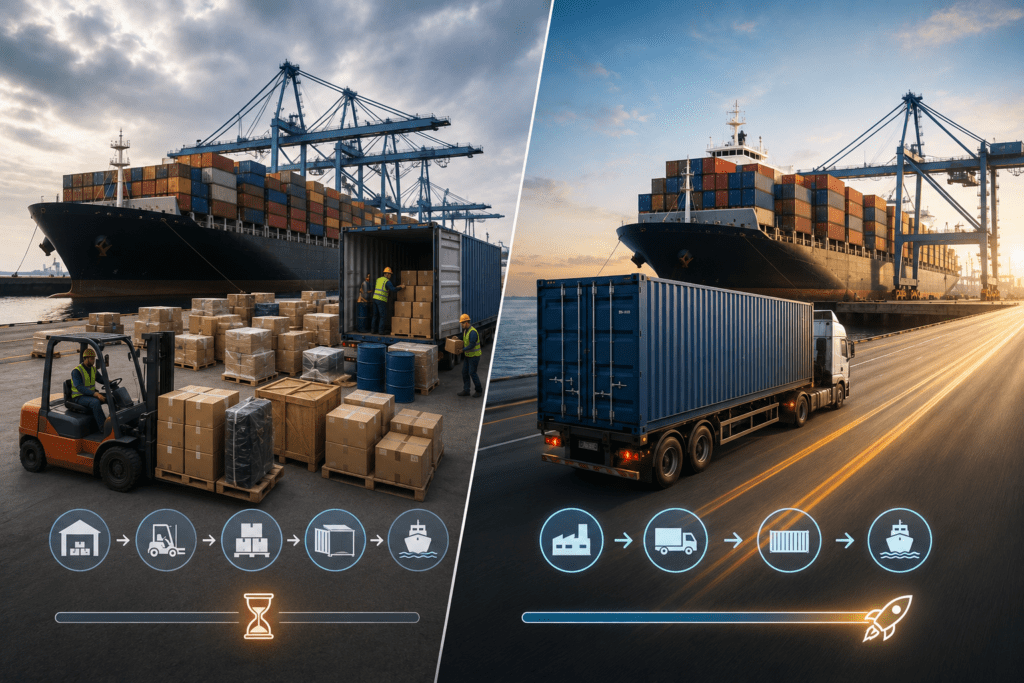
How you package your goods can have a significant impact on the speed of delivery. The most common shipping options for exporters are Full Container Loads (FCLs) or Less Than Container Loads (LCLs).
Full Container Load (FCL)
You can rent a whole container from FCL for all your products. Shipping lines seal the container in your warehouse or origin port. It remains sealed up until the goods reach their destination. FCL is the fastest way to ship goods by sea because the container goes directly from A-B without any sorting.
Less Than Container Load(LCL)
You can share containers with others if you are shipping smaller quantities. Consolidation is required (packing several shipments at origin together) and deconsolidation upon arrival. This extra step makes LCL much slower.
A textile shipment to New York from India could take between 28 and 32 days using FCL. The same shipment would take between 35 and 40 days if it was sent via LCL, due to extra handling.
Common Reasons Your Cargo Gets Delayed
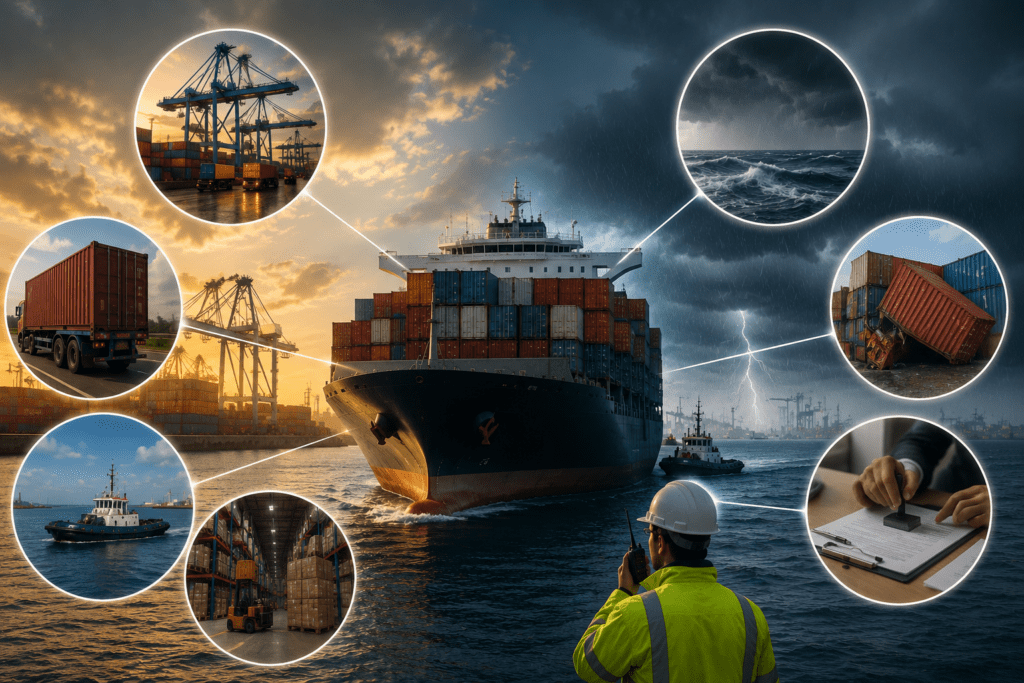
Operational hurdles may delay your project even with the best planning. Be on the lookout for common roadblocks.
- Documentation incomplete: Shipping bills missing, commercial invoices incorrect, or lack of an Importer Exporter Code will stop your shipment.
- Shortages of empty containers: If you do not have enough equipment to fill the containers at your depot, or if there are no shipping companies arriving in your port.
- Rolled cargo: When a shipping company overbook a vessel they can bump your container onto the next ship available.
- Bottlenecks in inland transport: Transporting goods from major coastal ports to inland hubs can take more time than anticipated due to delays on rail and highways.
How Exporters Can Reduce Shipping Delays
Your logistics strategy is the only thing you can do to control weather. These practical tips will help you minimize your transit time and prevent unnecessary delays.
- Book a FCL container if possible. The consolidation process can be bypassed if your shipment is large enough.
- Get your customs documentation ready early. Make sure your invoices and packing lists are accurate.
- Choose experienced freight forwarders. Work with logistic experts that are familiar with the intricacies and nuances of Indian Customs through ICEGATE, as well as strong relationships with shipping lines around the world.
- Don’t rush during peak seasons: Schedule your exports well in advance of the major holidays when congestion is at its highest.
- Follow vessel schedules. Actively monitor your cargo so that you can immediately adjust the destination supply chain plan if there is a delay.
Plan Your Next Shipment
By knowing how long it takes to ship sea freight from India, you can set realistic expectations for your customers and keep your supply chain moving smoothly. Understanding route differences, selecting the correct container, and prepping your paperwork in advance will eliminate most of the common reasons for shipping delays.
Consult your freight forwarder today to plan the best route for your international shipment.