
 Bhavik Khodiyar
  24 May, 2026
What Are the 7 Pillars of Logistics?
Every successful business, which involves the exchange of goods, materials, imports, exports, or deliveries, is the backbone supported by logistics. In simple terms, logistics is the process of planning, movement, storage, and control of goods between the point of origin to the final point of destination. In reference to CSCMP, logistics is associated with efficient flow and storage of goods, services and surrounding information in order to meet customer demands and requirements.
To learn more about logistics, businesses tend to refer to the 7 pillars of logistics.
7 Core Pillars of Logistics for Modern Businesses
1. Transportation
One of the most crucial logistics pillars is transportation. It entails the transportation of products through road, rail, sea or air. The correct mode of transport will be based on the nature of the cargo, the duration of delivery, the distance, and the cost.
To demonstrate, sea freight can be used in large overseas shipments, whereas road transport would be applicable in domestic and last-mile deliveries. An effective transportation
plan minimizes delays and reduces costs and enhances customer satisfaction.
2. Warehousing
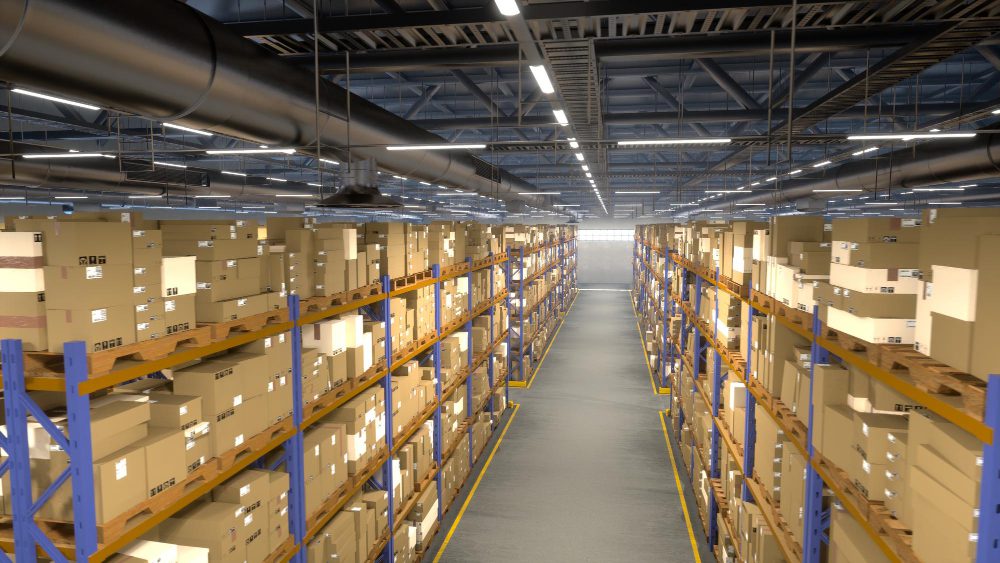
Warehousing can be described as the storage of goods in safe places until required for the next destination. A properly controlled warehouse assists companies in storing stocks and safeguarding goods as well as reacting instantly to customer preferences.
Warehousing is even more significant to importers and exporters since goods might require warehousing before they can be cleared by customs or even finally shipped.
3. Inventory Management
Inventory management is concerned with the management of inventory. It is aimed at preventing any overstocking or understocking. Oversupply and undersupply raise the cost of storage and result in lost sales and late deliveries, respectively.
Good inventory management assists the businesses in understanding what inventory is on hand, what to reorder, and speed of the inventory movement. It also aids in enhanced planning, particularly in seasonal demand and export orders, as well as large-scale shipments.
4. Order Processing
The process in which orders are received, checked, packed, and ready to be delivered is technically known as order processing. Although transport and warehouse might be solid, inefficient order processing may lead to mistakes, incorrect deliveries, or delays.
A well-flowing system of order processing makes sure that the appropriate product is ordered, packed, documented and delivered to the appropriate customer.
5. Packaging and Material Handling

Packaging safeguards in storage and transportation. Particular consideration is given to fragile, heavy, perishable or export cargo. Good packaging helps to minimize damage, enhance safety, and ease handling.
Material handling involves loading, unloading, lifting, stacking, and the movement of goods in warehouses, ports or in any other transport vehicles.
6. Information and Documentation
Logistics is not merely the transportation of goods. It is also very much reliant on proper information and documentation. Shipment tracking, invoices, customs papers, bills of lading, delivery notes, and inventory records must be properly managed.
In the case of international trade, documentation is even more vital. Any minor mistake in the documents is likely to cause delays, fines, or the detention of the shipment. This is one of the reasons why companies should find a partner in logistics who will know how to move cargo and how to write down all these details.
7. Customer Service
Customer services are the last, however equally important pillar of logistics. During the shipment process, businesses require effective communication, prompt messaging, and immediate resolution of issues arising during the process.
Effective logistics customer care also assists clients in tracking the item shipment, comprehending the delay, managing the client’s expectations on delivery, and providing a solution when problems arise. The current competitive market does not only provide logistics and delivery; it also means trust and transparency.
Why the 7 Pillars of Logistics Matter
The 7 pillars of logistics are integrated. When one pillar is weak, the whole supply chain may suffer. As an example, a very good transportation system does not resolve the issues that arise due to poor documentation or weak inventory control.
The key benefit of good logistics planning is that it can save costs, eliminate delays, and enhance customer satisfaction for businesses that follow import/export, manufacturing, trading, or e-commerce. Logistics also links various business aspects that include sales, finance, operations and supply chain planning.
Reliable End-to-End Logistics Solutions by Kailash Shipping Services
To businesses seeking to engage the services of a reliable logistics service provider, Kailash Shipping Services can provide end-to-end logistics services, such as freight, warehousing, customs, consolidation and project cargo services in India and globally.
Conclusion
They are the 7 pillars of logistics, which include transportation, warehousing, inventory management, order processing, packaging and material handling, information and documentation, and customer service. Their combined efforts will lead to the establishment of an efficient logistics system that facilitates the simultaneous movement of goods in a timely, safe, and cost-effective manner.