 Bhavik Khodiyar
  18 May, 2026
What Are the 4 Types of Warehousing in Logistics?
Warehousing is among the most vital components of the logistics and supply chain industry. It is something more than simple product storing in a building. Modern warehousing assists businesses in managing inventory, proper transportation, enhance order fulfillment and make sure products reach consumers on time.
Whether a manufacturing company, retail chain, exporter, importer or e commerce business, every industry depends on warehousing for proper operations.
When businesses grow and supply chains becomes complicated, selecting the right kind of warehouse becomes necessity. Different kind of warehouses serve various purposes based on the business size. The nature of the goods and distribution needs.
4 Types of Warehousing in Logistics
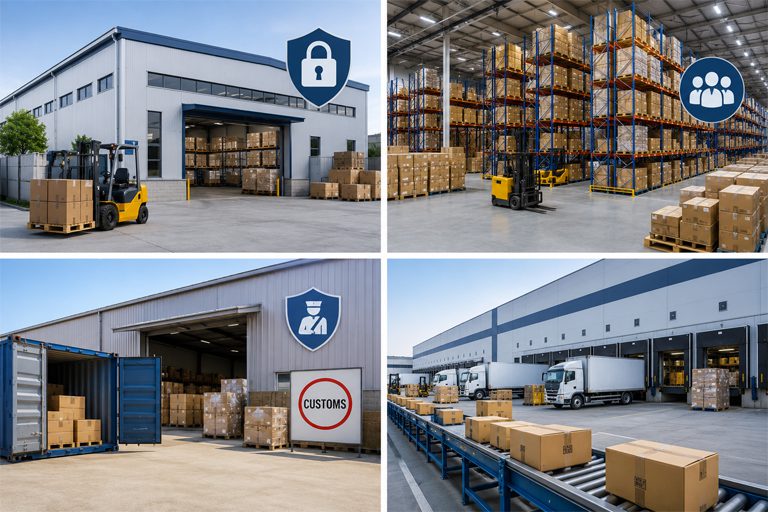
1. Private warehouses
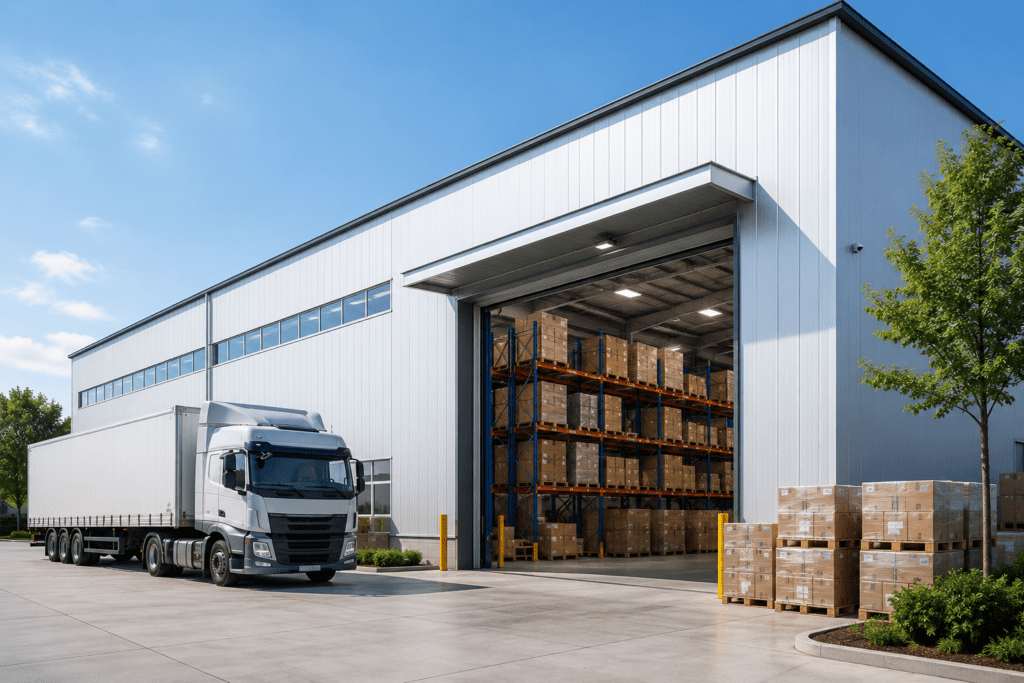
Private warehouses are owned and run by manufacturers, retailers or wholesalers for storage of their own products. These are the warehouses are not shareable with other businesses. Companies dealing with big volumes of goods generally invest in private warehousing as it offers them complete control over storage, inventory management, functioning and distribution.
Private warehouses are mostly equipped with latest technology, safety systems and personalized layouts as per business requirements. Even if the initial investment is high, they are cost efficient for businesses with consistent storage needs.
Example:
A big retail company running its own warehouse network for managing products in various cities is one of the example of private warehousing. Automobile manufacturers also maintain private warehouses for storage of spare parts and raw materials.
2. Public warehouses
Public warehouses are the storage facilities held by government organizations or private operators and given on rent to businesses that might not have required capital for building their own store facility.
Public warehousing provides flexibility, which makes them good for seasonal businesses or companies with inconsistent inventory demands. Businesses only pay for the space and services that they use, that assists them in reducing cost of operation.
Example:
An online clothing seller keeping storage of festive season inventory in a rent warehouse is an example of public warehousing. Farmers and food suppliers most commonly use public warehouses for temporary storage.
3. Bonded warehouses
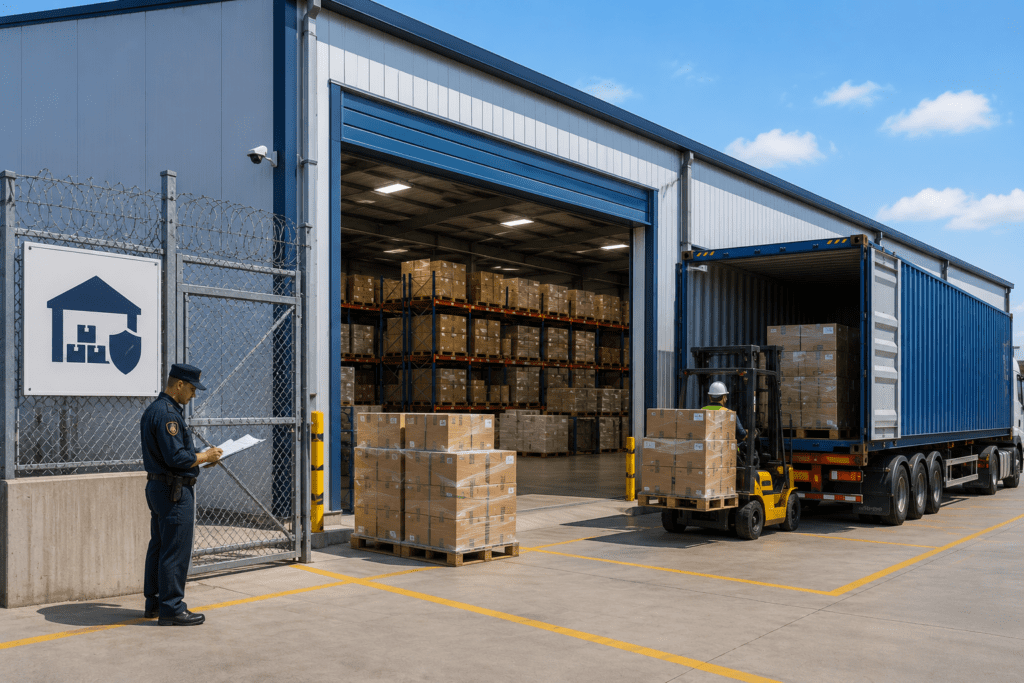
Bonded warehouses are special storage facilities that are used primarily for imported goods. These warehouses possess the required license and are run by customs authorities. In bonded warehouses goods can be stored without paying customs duties immediately.
Importers can store their products in these warehouses until it is sold, exported or distributed to other countries. This system assists businesses in managing flow of cash efficiently as taxes and duties can be delayed till goods makes their entry into the market.
Example
Bonded warehouses plays an important role near seaport as customs clearances is one of the example of bonded warehousing.
4. Distribution warehouses
Distribution warehouse also known as distribution centers, are made for rapid movement of goods other than long term storage. Their main function is receiving products, organizing them, packing orders and shipping them effectively to consumers or retailers.
These warehouses are very important in the e commerce and retail industries where there is requirement of rapid delivery. Distribution warehouses are mainly located near to transportation hubs like highways, ports or airports to make sure there is smooth movement of products.
Latest distribution centers make use of automation, barcode systems along with real time inventory tracking for speeding up operations.
Example:
An ecommerce company making use of warehouse for processing and delivering consumer orders within one or two days is a good example of a distribution warehouse.
Importance of warehousing in logistics
Warehousing is an important part of supply chain management as it assists businesses in maintaining a proper flow of goods right from production to delivery. Effective warehousing supports controlling inventory, lessening losses and enhances consumer service.
Some important benefits of warehousing involves:
- Safe storing of products
- Less risk of damage
- Enhanced stock management
- Better coordination of transportation
- Fast delivery to consumers
- Support at the time of seasonal fluctuations of demand
As consumer expectations rises, businesses are highly investing in smart warehousing solutions for enhancing effectiveness and decrease cost of operations.
Smart warehousing support for businesses
Effective warehousing solutions can bring in a huge difference in management of inventory and making sure there is smooth operations of logistics. Businesses who are searching for well-organized storage, inventory management and distribution support can highly benefit from certified warehousing services that focuses on safety, on time movement of goods and functional effectiveness. Modern warehousing facilities with right infrastructure and logistics coordination assists businesses in streamlining supply chains and meet growing market demands efficiently.
Kailash Shipping services provides reliable and efficient warehousing solutions designed to support businesses with secure storage, smooth inventory handling, and timely distribution services. With modern infrastructure, organized warehouse management, and a commitment to operational excellence, the company helps businesses optimize their supply chain operations and ensure safe movement of goods across different markets.
Conclusion
Warehousing is the main backbone of the logistics industry and plays an important role in making sure products are moving effectively across the supply chain. The four main kinds of warehousing – private warehouses, public warehouses, bonded warehouses and distribution warehouses- each of them serve various business purposes and functional requirements.
Understanding this kinds of warehousing types assists businesses in selecting the correct storage solution depending on their size of inventory, logistics needs and budget. As logistics and ecommerce industries keeps on growing, efficient warehousing remains effective for attaining fast deliveries, good inventory control and business success in long term.