
 Bhavik Khodiyar
  27 February, 2026
LCL vs. FCL Freight Forwarding Services at Mundra Port, Gujarat
One of the biggest decisions a business has to make when shipping with Mundra Port is whether goods are shipped as Less than Container Load (LCL) or Full Container Load (FCL). Mundra is a gateway for the industrialized regions of northern and western India. RINL understands that the technology and mechanics of these two forms of shipping in Mundra’s ultra-modern port facilities can provide significant synergies in cost and predictable supply chain flows.
The Basics: FCL vs. LCL
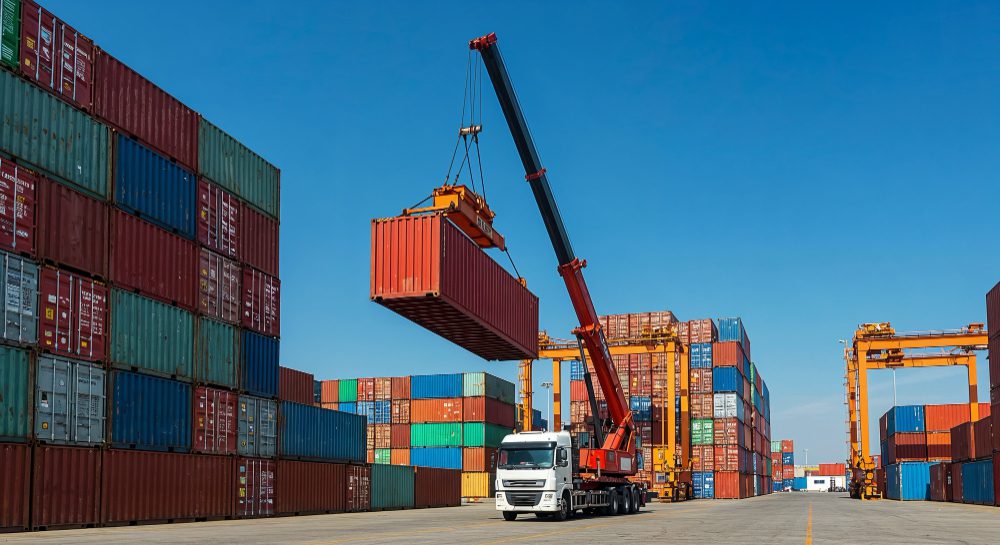
Full Container Load (FCL) Full container load is when one dedicated shipping container is used by a single exporter or importer for their shipment. Containers come in two sizes, being 20-foot and 40-foot. In contrast, less than Container Load (LCL) shipping is the “sharing” of a container in that many customers’ goods are consolidated into the same container. All these services are backed by state-of-the-art Container Freight Stations (CFS) at Mundra Port, dedicated to stuffing / De-stuffing these cargoes.
The productivity of FCL at a terminal in Mundra Port
Carriers will prefer FCL if you are shipping a significant amount of cargo. Key benefits of FCL at Mundra which come to my mind are Speed. As the container is for an individual party, there are no intermediate stops for consolidation, and it can move straight from the factory to terminal at ports like AMCT or MICT. This straight-line movement to receiving or shipping mode eliminates unnecessary touches and potential cargo damage. In addition, FCL has a flat pricing structure by container type, which helps to allow larger operations to accurately forecast their logistics spend.
The LCL’s Versatility for Smaller Firms
LCL shipping is the lifeline for small and medium-sized enterprises (SMEs), who may not have enough goods to fill up a 20-foot container. They allow businesses to keep inventory moving while foregoing the need to amass enough stock for a full trip. Because they only pay for space (in cubic meters) that their goods fill, less-than-truckload services make it possible not to delay shipping radiuses. While Mundra Port is the only port providing LCL cargo with such a wide range of CFS operations. These stations become consolidation points where smaller packets are expertly grouped together and offered to smaller businesses at a global scale affordably.
Kailash Shipping Services: Expert Freight Forwarding Services at Mundra Port
When it comes to handling the intricacies of Mundra Port you need a partner who can provide you with local grit and global standards. Kailash Shipping Services is proud to be one of the leading providers in the region, providing customized logistics solutions that keep your cargo on the move and safe. By having an intimate understanding of the maritime movement in Gujarat and believing in transparency, they also make shipping accessible to all sizes of businesses. For the most efficient logistics and a competitive advantage check out their full Freight Forwarding Services and see what it is like to have an easy shipping solution.
Significant Variations in Processing and Shipping Periods
How long have you been? And will it be LCL or FCL? Your decision between FCL and LCL also affects your timeframe. FCL’s have faster transit times as they cut out the consolidation and deconsolidation process. In LCL trade, there is additional time taken at Mundra CFS to deconsolidate the cargo of different consignees before container can be sealed or opened. This extra movement also increases the number of times that LCL cargo is handled by port equipment and personnel, which in turn requires more durable packaging to protect goods during transit.
Cost Considerations and Logistics Planning
LCL is a less-expensive way to ship overseas, but the cost per unit of product is cheaper with FCL once your shipment reaches a certain volume (usually around fifteen cubic meters). In Mundra, local THC and documentation charges are being charged by each mode in a unique way. Typically for FCL these are billed per container, while LI charges dependent on weight or volume. Merchants need to balance the required speed of the shipment with the overall landed cost to determine which method best fits their business objectives.
Frequently Asked Questions (FAQs)
In general, FCL is preferable for fragile or high-value products. As the tank is sealed at departure and then only opened at arrival, motion sensing is limited. In LCL, your goods are stowed and palletized next to freight from other shippers – creating the probability of mishandling.
LCL cargo is rated on the Basis of Weight or Measure (W/M). This means the freight forwarder says you will be charged according to this or that is the greater of: The actual weight in tons of the cargo Volume of cargo in cubic meter (). The number of shiploads’ transport is in most cases determining () factor, which generates sea freight.
After being stuffed and sealed at a Mundra CFS, it is close to impossible to shift modes of movement without major delays and “de-consolidation” costs. Your shipping plan should be completed while the cargo is still in the planning phase and before it arrives at the port.
Yes, but with strict regulations. Certain CFS facilities at Mundra have containers flooring for hazardous cargo spill containment and IMDG (International Maritime Dangerous Goods) compliance. On the other hand, if you are transporting LCL dangerous cargo, ensure your forwarder. If you are shipping LCL items requiring hazardous material certification, make sure that your forwarder has the capability to perform Haz merges.